OEM collision repair standards spell out the steps a manufacturer requires for your vehicle. At Royal Collision, we follow them on every repair. They protect your car’s structural strength, sensor accuracy, and crash safety on later-model vehicles.
What to know before you approve a repair:
- Vehicle-specific data: Your 2026 model’s repair steps can differ from those of a 2022 model of the same nameplate.
- Material-specific methods: Welding sequence and materials for your vehicle are set by the automaker, not a generic average.
- Documented safety impact: Crash testing has linked some non-manufacturer parts to different outcomes. See the table below.
What Do OEM Standards Actually Cover?
OEM auto body repair standards are official repair instructions that a manufacturer publishes for your exact vehicle. We use them to cover welding points, approved materials, fastener torque, and sensor recalibration.
A generic repair method skips this vehicle-specific data. We use quality collision repair instead because two similar-looking vehicles can call for very different repair steps. This is what separates OEM collision repair from general industry habit.
OEM Procedures vs. Generic Repair Methods
| Feature | Generic Method | Manufacturer-Documented Procedure |
| Source | General industry practice | Vehicle maker repair information |
| Vehicle match | One method, applied broadly | Matched to make, model, and year |
| Sensor handling | May not include all diagnostics | Includes required scan and calibration steps when specified |
| Documentation | Often less detailed | Can be documented step by step |
This gap matters more as your vehicle carries more built-in technology.
Why Later-Model Vehicles Need These Standards More
Later-model vehicles like yours carry more sensors, cameras, and structural reinforcement than decade-old vehicles. Your forward-facing camera behind the windshield and your bumper radar sensor both need correct alignment. We build every repair plan around the manufacturer’s procedure for that system.
What Independent Testing Has Found
| Test Vehicle | Parts Involved | Reported Result |
| 2013 Honda Fit vs. factory-equipped control | Aftermarket bumper reinforcement, other non-OEM parts | IIHS reported the parts “may have contributed to differences” in results |
| 2008 Dodge Ram 1500 vs. factory-equipped control | One CAPA-certified bumper reinforcement beam | Results were nearly identical to the OEM-equipped truck |
Source: Repairer Driven News, reporting on IIHS testing
IIHS noted these findings apply to the specific parts tested, not to aftermarket parts in general. That is why we review your repair part by part, not with a blanket rule.
How We Apply OEM Standards at Every Repair
At Royal Collision, we build each repair plan around the manufacturer’s own procedure for your vehicle. Here’s how:
- We follow the exact procedure. Our technicians reference manufacturer repair data for your vehicle’s exact make, model, and year before structural work starts.
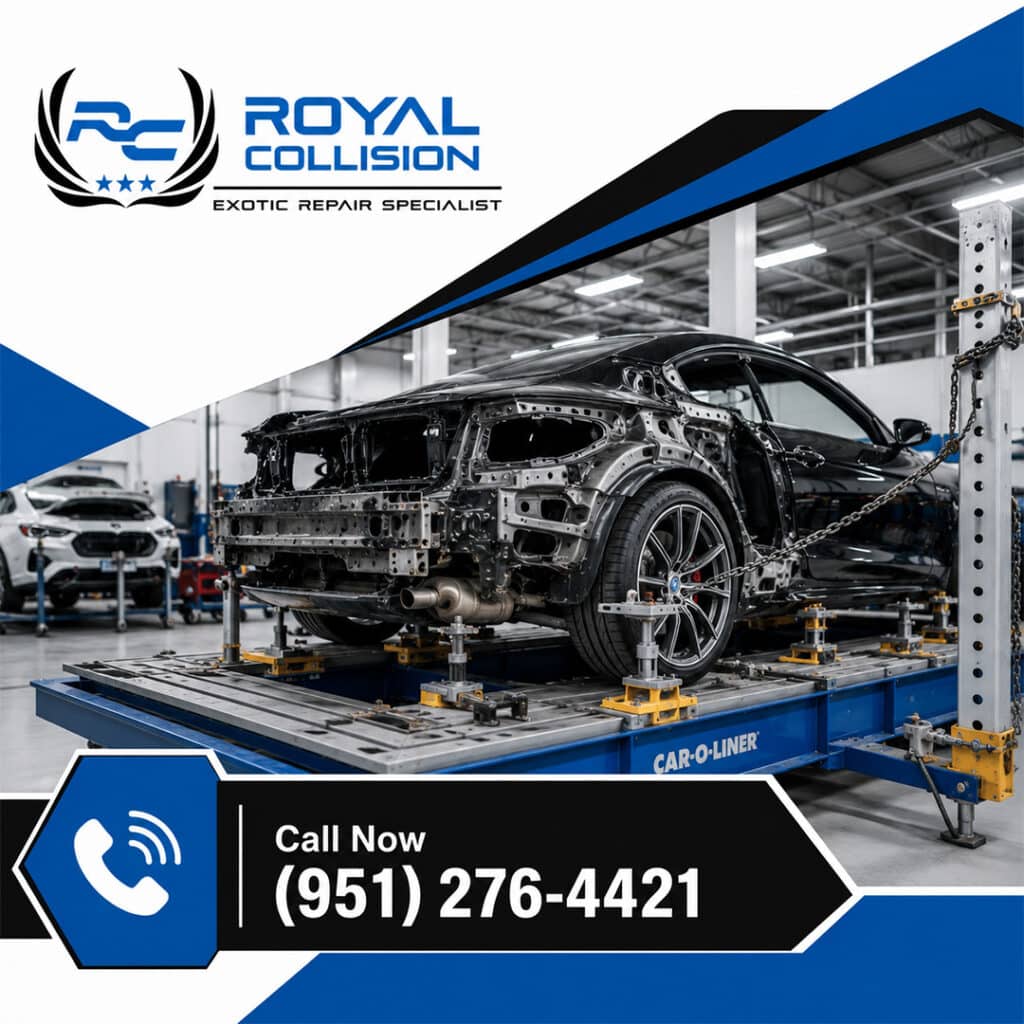
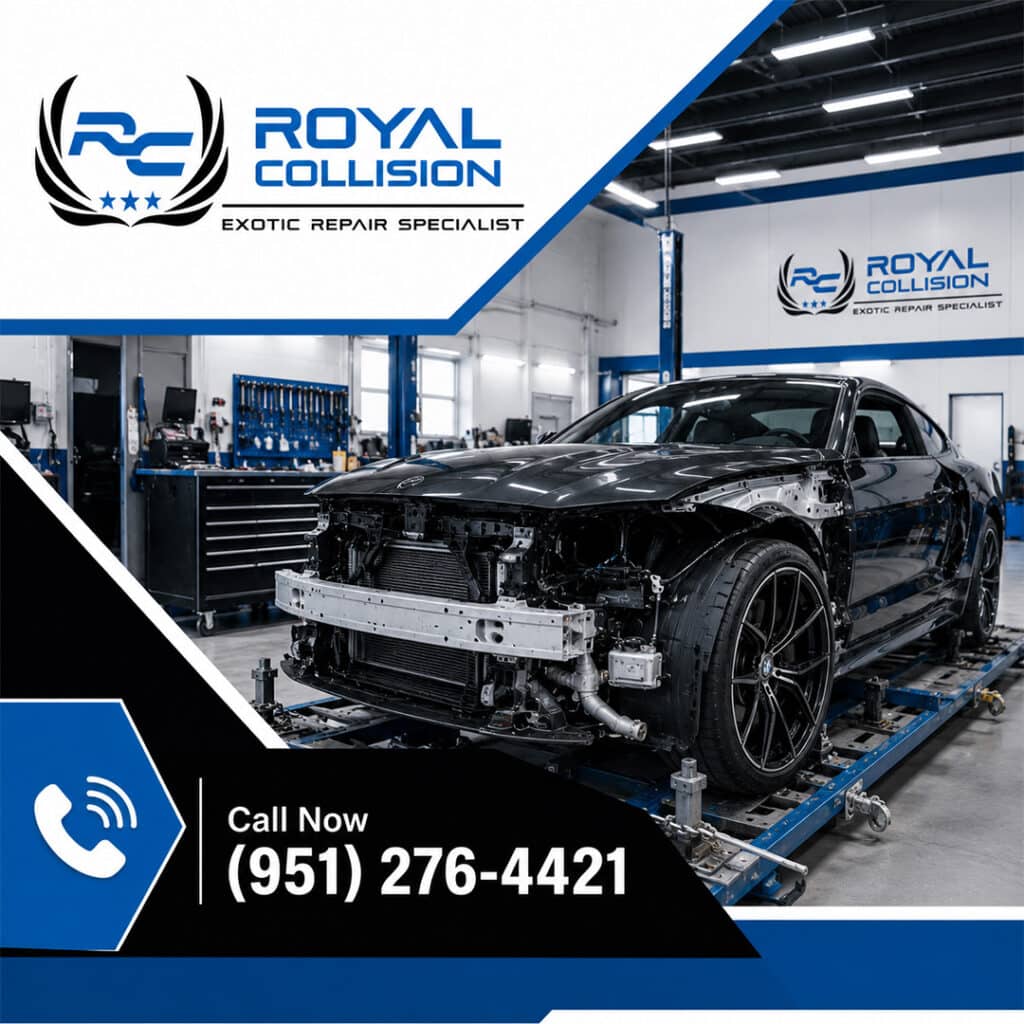
- We measure to factory spec. We use a Car-o-liner Car-o-matic system for measurement and a Cheetah® frame rack for structural pulls.
- We coordinate ADAS calibration. If your repair affects a sensor or camera, we schedule recalibration with a qualified specialist. This confirms the systems work correctly.
- We advocate for OEM parts. We are not part of any insurance Direct Repair Program. So we push for the parts and procedures the manufacturer specifies, not the cheapest option.
Here is what our customer Lisa P. said in her Google review: “Ryan was very professional and helpful from the start; he was able to walk me through the process and make sure my Toyota was fixed correctly with OEM parts. If you need a collision shop, Royal Collision is the place to go!! “ We back your repair with a Limited Lifetime Warranty. Our professional collision repair means one thing: it lasts as long as you own the car.
Frequently Asked Questions
Will an OEM repair cost more than a standard one?
It depends on your vehicle and the damage. Manufacturer procedures sometimes call for parts or calibration steps that a generic repair would skip.
Does Royal Collision have access to manufacturer repair procedures for my car?
Yes. We pull the manufacturer’s exact procedure for your vehicle before any repair begins.
Do these standards apply to cosmetic repairs too?
They apply most directly to structural and safety-related repairs. We still match panel fit and paint finish to factory specifications, though cosmetic work has more flexibility.
Get a Manufacturer-Standard Repair for Your Vehicle
If you’re comparing options for collision repair in Riverside, CA, after your accident, ask each shop one question. Does this match what the manufacturer specifies for my car? Call us at (951) 276-4421 or email ryan@royalcollisionriverside.com. Royal Collision will build your repair plan around the manufacturer’s exact procedure and back it with our Limited Lifetime Warranty.