At Royal Collision, we recommend checking whether your collision repair estimate clearly identifies the replacement crash parts being proposed. In California, new crash parts are treated as OEM unless identified as non-OEM aftermarket. Reviewing each parts line helps you understand what is included in your auto body repair cost before authorizing work.
Key Takeaways:
- Check each part: Look for OEM, non-OEM aftermarket, or used parts descriptions.
- Question unclear terms: Ask us to explain any parts designation you do not recognize.
- Compare documents: Review the final invoice against the parts you authorized.
What Should You Look for on a Collision Repair Estimate?
Start with the parts section and identify how each replacement crash part is classified. California Bureau of Automotive Repair guidance requires auto body and collision estimates to be itemized. New replacement crash parts are OEM unless specifically identified as non-OEM aftermarket.
An OEM crash part is made for or by the original vehicle manufacturer. A non-OEM aftermarket crash part is not made for or by that vehicle manufacturer.
This distinction helps you identify OEM vs aftermarket parts before approving repairs.
| Estimate wording | What it means |
| OEM crash part | Made for or by the original vehicle manufacturer |
| Non-OEM aftermarket | Aftermarket part not made for or by that manufacturer |
| Used | The replacement part is not new |
| Unclear designation | Ask us to identify the part type before authorization |
Source: California Bureau of Automotive Repair, Write It Right, updated January 2026.
At Royal Collision, we advocate for OEM parts and manufacturer repair procedures when working with insurers. We have no Direct Repair Program agreements with insurance companies. Our repair decisions focus on you and the documented needs of your vehicle.
How Can You Check Parts Before Authorizing Repairs?
Review each proposed replacement part and ask how the selection relates to your vehicle’s repair plan. Two estimates can have different collision repair costs because they may include different parts and repair operations. Compare the details, not only the total price.
Use these steps:
- Find the parts section: Identify each component proposed for replacement.
- Check the classification: Determine whether each crash part is OEM, non-OEM aftermarket, or used.
- Ask about manufacturer procedures: Find out whether vehicle-specific repair information affects the proposed part.
- Discuss differences with us: We can explain differences between an insurer estimate and our documented repair plan.
- Check the invoice: Compare the parts supplied with the repair you authorized.
A cheap auto body repair estimate may leave important questions about parts or procedures unanswered. Quality auto body repair requires reviewing the repair scope instead of judging an estimate only by its total.
At Royal Collision, we help you through the insurance process. We communicate with insurers about documented repair operations and parts needed for your vehicle. Here is a review by our customer, Charles Bartlett: “I got rear-ended in my Honda Civic and looked for a collision shop near me that would repair it properly with OEM parts. After speaking to Ryan, I knew I was in good hands. He took my vehicle in, kept me updated, and even fought to use proper parts on my vehicle.”
Why Can Parts Choices Affect Your Repair Estimate?
Different replacement-part categories can affect the repair plan and its price. Compare estimates line by line when reviewing auto body repair cost rather than looking only at the final amount.
For later-model vehicles, ask whether the proposed replacement part aligns with manufacturer repair information for your vehicle and the damaged area.
Frequently Asked Questions
Can the parts on my estimate change during repairs?
Yes. Additional collision damage found after authorized disassembly may change the repair plan or required parts. Changes to authorized repairs or costs require customer authorization under California BAR requirements.
Should I keep my estimate and final invoice?
Yes. Compare the estimate with the final invoice to see whether the parts supplied match the repair you authorized. Keep both documents as part of your repair records.
Does an OEM part mean the entire repair is correct?
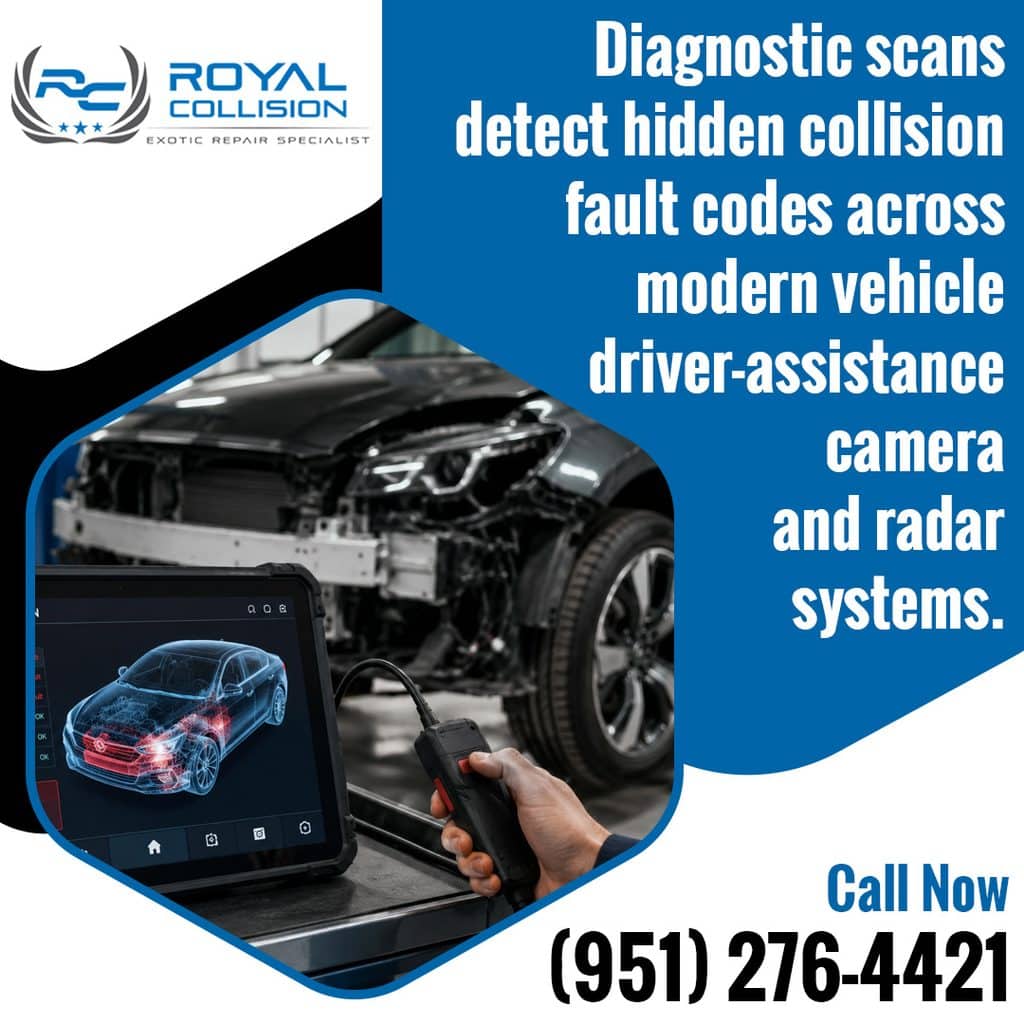
No. Parts are one part of quality auto body repair. Manufacturer procedures, structural measurements, diagnostics, refinishing, repair verification, and any required calibration may also be part of the repair plan.
Ready to Review Your Repair Estimate?
Before authorizing repairs, check that your estimate clearly identifies the proposed parts and repair operations. Quality auto body repair starts with knowing what the repair plan includes.
At Royal Collision, we help Riverside drivers review repair plans and work through the insurance process. Contact us at (951) 276-4421 or ryan@royalcollisionriverside.com to discuss your estimate and the parts proposed for your vehicle.